.png)
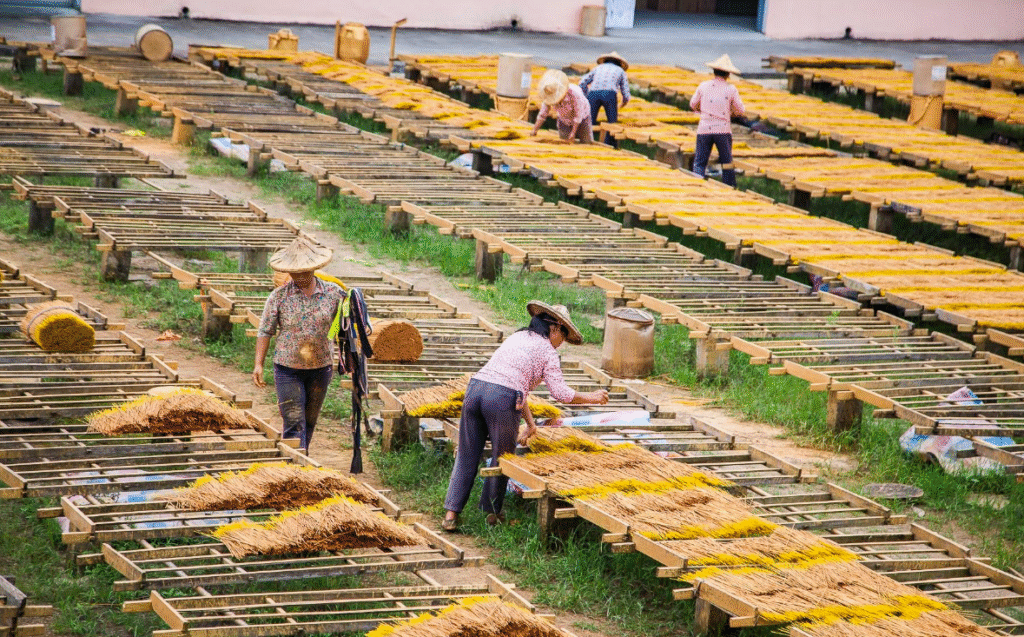
In the long and profound history of Chinese culture, incense culture holds a unique and important position. From ancient scholars savoring and discussing incense, to the curling smoke in religious rituals, incense is not only an olfactory enjoyment but also carries profound cultural connotations. As one of the birthplaces of incense culture, China is home to numerous incense-making bases. Among them, Qingyuan (Baoding, Hebei), Xiang’an (Xiamen, Fujian), Xinhui (Jiangmen, Guangdong), and Yongchun (Quanzhou, Fujian) are renowned as China’s four major incense-making bases. Relying on their unique geographical environment, long-standing historical heritage, and exquisite craftsmanship, these bases play a pivotal role in the incense-making industry and serve as important carriers for inheriting and promoting incense culture.
Ⅰ. Yongchun, Quanzhou, Fujian — The Fragrant Legend of “China’s Incense Capital”
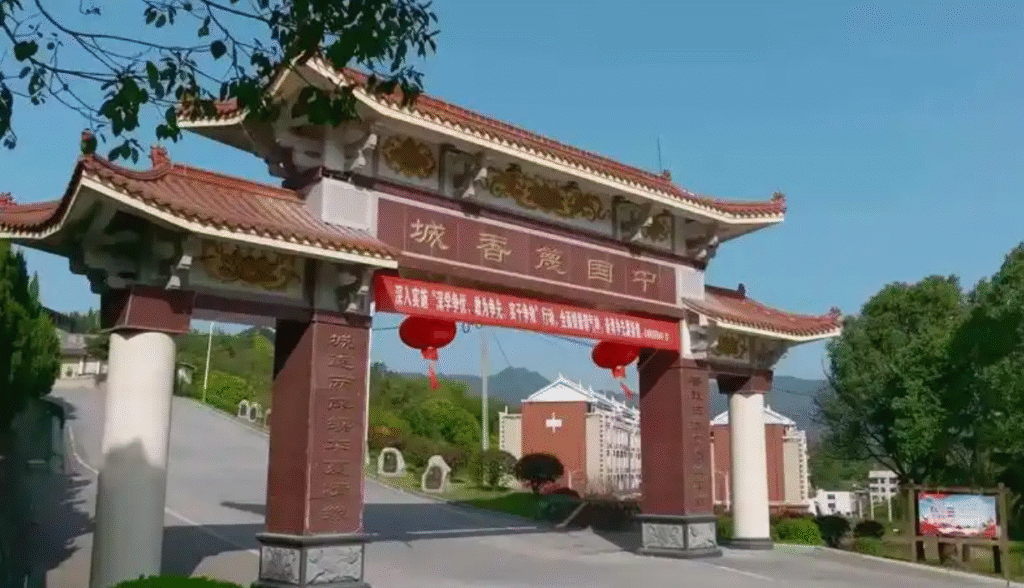
Yongchun, a small county under the jurisdiction of Quanzhou City, exudes a charming allure in the field of incense-making. During the Tang Dynasty, Quanzhou, as an important port for China’s foreign trade, laid a solid foundation for the development of Yongchun bamboo incense. After more than 300 years of inheritance and accumulation, Yongchun has fully exerted its traditional incense-making craftsmanship and has now become the first incense-making base in China to be awarded the title of “China’s Incense Capital”.
The production process of Yongchun bamboo incense is unique, including multiple steps such as bamboo cutting, bamboo splitting, bamboo drying, medicine preparation, incense mixing, incense rolling, and incense airing. Each step embodies the dedication and wisdom of craftsmen. In terms of raw material selection, Yongchun bamboo incense uses high-quality bamboo and natural spices, ensuring that the incense products not only have a pure and long-lasting fragrance but also possess certain health-preserving effects. Currently, Yongchun’s incense-making industry is thriving, with nearly 300 incense enterprises, including 53 large-scale ones. The number of employees reaches over 30,000, and there are more than 1,000 types of incense products. Yongchun incense covers over 80% of the domestic market. In Southeast Asia, 1 out of every 3 incense sticks sold is produced in Yongchun, and its products are exported to more than 40 countries and regions in Europe, America, and Southeast Asia.
Ⅱ. Xinhui, Jiangmen, Guangdong — Inheritance and Innovation of Lingnan Incense Charm
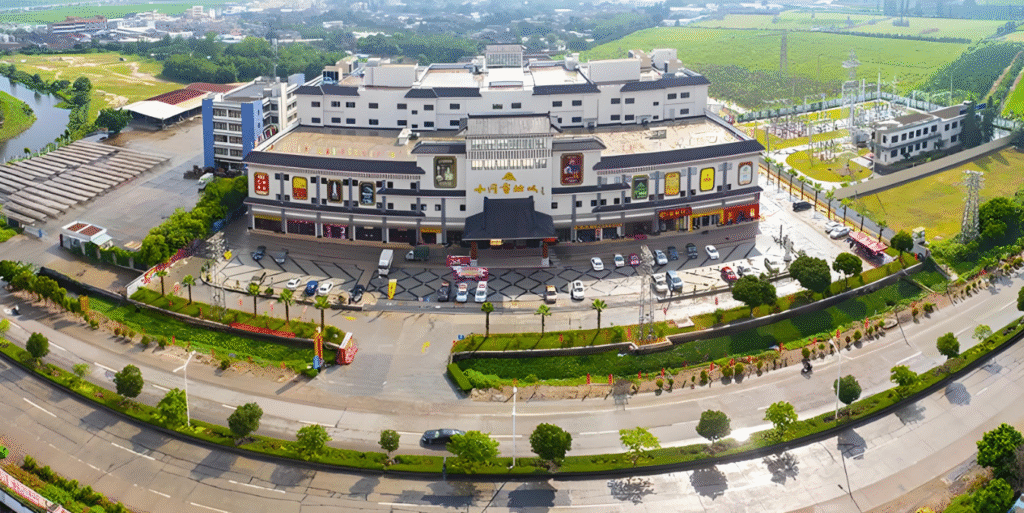
As an important incense-making base in Guangdong, Xinhui has a long history of incense-making and profound cultural heritage. Located in Lingnan, Xinhui enjoys a warm and humid climate, providing favorable conditions for the cultivation and growth of spice plants. The local abundant natural resources, such as agarwood and sandalwood, offer high-quality raw materials for the development of the incense-making industry.
Xinhui’s incense-making craftsmanship integrates the characteristics of Lingnan culture, focusing on the combination and blending of spices to pursue a mellow and layered fragrance. Based on traditional incense-making techniques, Xinhui’s incense enterprises actively innovate by introducing modern technological means to improve production efficiency and product quality. Today, Xinhui’s incense products cover various types, including stick incense, coil incense, incense powder, and sachets. These products are not only popular in the domestic market but also exported to Hong Kong, Macao, Taiwan, as well as countries in Southeast Asia, Europe, and America.
Ⅲ. Qingyuan, Baoding, Hebei — The Bright Pearl of Incense-Making in Northern China
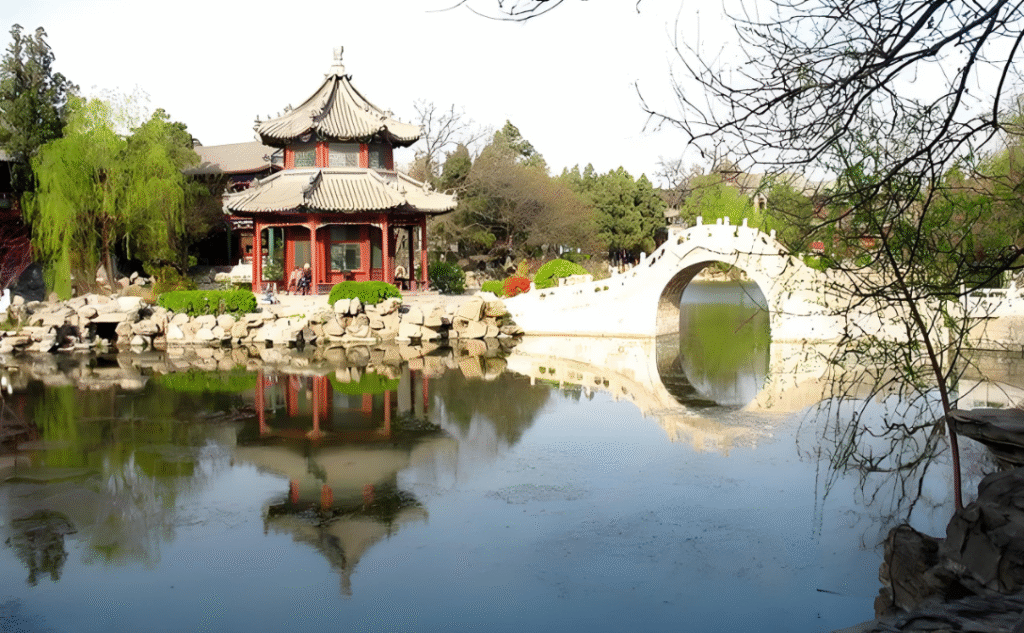
Qingyuan, located in Baoding, Hebei, is a major incense-making base in northern China. The history of incense-making in Qingyuan can be traced back to hundreds of years ago. After generations of inheritance and development, it has gradually formed a unique incense-making craftsmanship. Qingyuan’s incense-making mainly relies on manual production, emphasizing details and quality. The incense products produced here have a rich and long-lasting fragrance, which is deeply loved by consumers.
Qingyuan’s incense-making industry mainly focuses on traditional ritual incense, while also covering some daily-use incense and health-preserving incense products. There are numerous incense factories and workshops in the area, forming a relatively complete industrial chain. Qingyuan’s incense enterprises have accumulated rich experience in raw material procurement, production and processing, and product sales, and possess strong market competitiveness.
Ⅳ. Xiang’an, Xiamen, Fujian — Inheritance and Development of Tribute Incense Culture
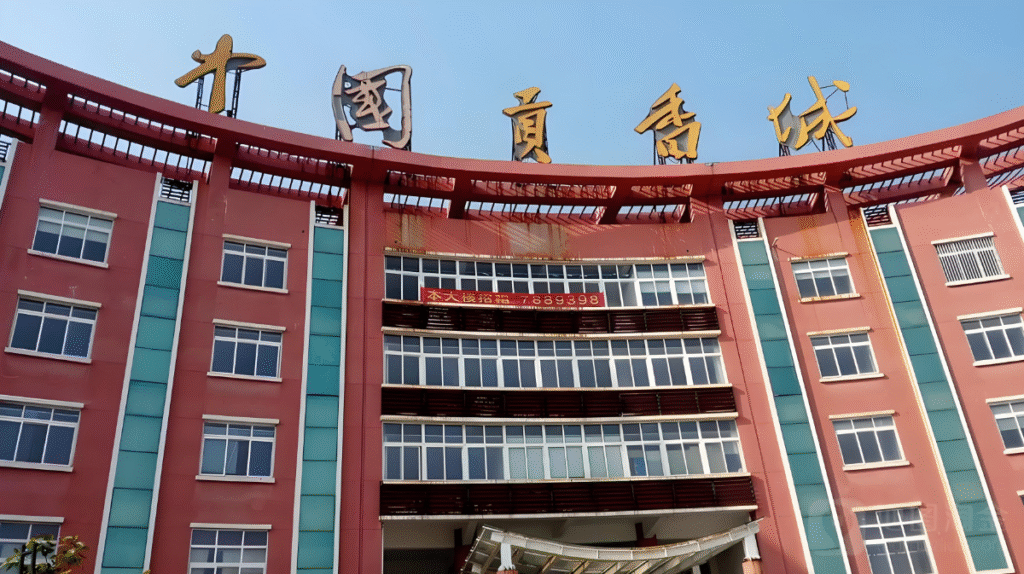
As one of Fujian’s incense-making bases, Xiang’an is famous for its unique tribute incense culture. Xiang’an has a long history of incense-making, and its exquisite tribute incense craftsmanship is an important part of Xiang’an’s traditional culture. The production process of Xiang’an tribute incense strictly follows traditional techniques, with every step from material selection, ingredient preparation, production to packaging being refined to ensure the best quality and fragrance of the incense products.
Xiang’an’s tribute incense products come in a wide range, including traditional stick incense, coil incense, tower incense, and some innovatively designed products such as incense beads and sachets. These products are not only best-selling in the domestic market but also exported to countries and regions in Southeast Asia, Europe, and America, and are deeply loved by overseas consumers. With its high quality and unique cultural connotations, Xiang’an tribute incense has established a good brand image in the domestic and international incense markets.
Each of China’s four major incense-making bases has its own characteristics. They all demonstrate strong strength and potential in terms of historical heritage, craftsmanship, product types, and market influence. They are not only the core force of the incense-making industry but also important platforms for carrying forward Chinese incense culture. As incense culture gains increasing attention today, China’s four major incense-making bases will inject new vitality into the development of the incense-making industry, allowing the ancient incense culture to shine more brilliantly in modern society.